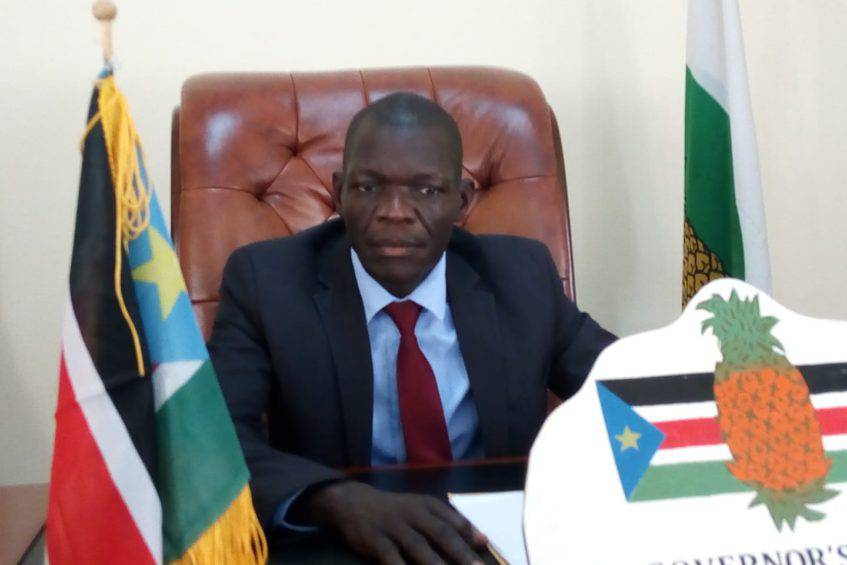
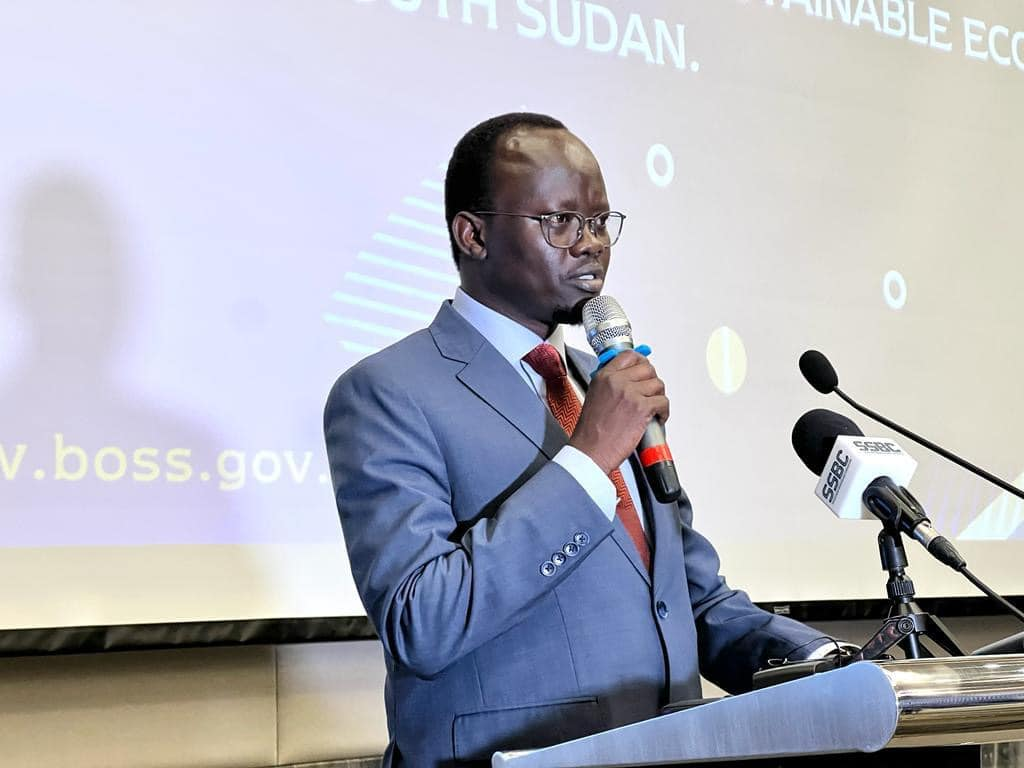
November 11, JUBA — The Minister of Finance and Planning, Dr. Bak Barnaba Chol, has voiced frustration over what he termed as widespread, unnecessary recruitment within the government payroll, calling it a key driver of fiscal inefficiency.
Speaking during his official reception in Juba, Dr. Bak disclosed that multiple individuals are drawing salaries from more than one ministry, describing the practice as systemic and deeply entrenched.
“To implement policy effectively, you must convince the beneficiaries of the current flawed system about the importance of removing ghost names from the payroll,” he said. “Some of the culprits are employed in the Ministry of Interior, Defense, and Petroleum. They resist reform and even try to dictate ministerial decisions.”
Reappointed by presidential decree nine months after his dismissal in March 2025, Dr. Bak emphasized that his return is marked by serious reforms aimed at combating corruption. He announced a halt to new staff recruitment, citing over 1,300 idle employees without offices or assigned duties.
The ministry has also introduced weekly strategy meetings and created an organogram to define job descriptions and reporting lines.
Looking ahead, Dr. Bak hinted at plans to provide financial support to unemployed graduates, encouraging them to start small-scale income-generating activities. “Instead of keeping idle staff without salaries or offices, let’s support them with motorcycles and rickshaws to earn a living through public transport,” he suggested, though no timeline or specific criteria were provided.
South Sudan is currently experiencing hyperinflation, with the US dollar trading at 6,000 South Sudanese Pounds on the parallel market. Local banks limit daily withdrawals to 50,000–100,000 SSP — equivalent to roughly $16.
According to the World Bank’s South Sudan Economic Monitor (7th Edition, Q1 2025), the economy is expected to contract by 30% in FY2024/25, largely due to halted oil exports. GDP per capita is projected to fall to nearly half of FY2020 levels, with poverty reaching 92%.
The report concludes that urgent reforms are necessary to prevent further economic decline and to set South Sudan on a path toward recovery.